 No Joking
A comedian told a lame Joke.
You are not punny enough.
“So, some of my Jokes recently hit puberty. They used to be cute once, but these days they are just awkward and angry. Like most teenagers with their parents, they do not like me. In fact, they are mortally embarrassed to be seen with me in public. They think I am destroying their dreams, and, quite frankly, they would be in much better shape if they had better representation. ‘Why can’t you be like other comedians?’ they ask me. ‘You know, cool, and with… an audience.’”
“‘Aha,’ I tell them, ‘don’t get swayed by an audience, especially the ones who laugh loudly and roll on the floor. Any cheap Joke can get a laugh, but the real value of a Joke is when it shifts someone’s perspective and changes them forever.’”
“‘No,’ they say, ‘we would rather be cheap and get the laughs.’”
Nat thought that it was going well. There had been two chuckles and even one “Ha!” but, more importantly, zero boos. It would have been even better if her voice were louder than the din in the Laughs Club, which was a medley of clinking cutlery, chomping teeth, and drink-fuelled chatter.
The sound system in the club was ancient and was barely held together by a few loose connections (though the booker insisted that the correct term was ‘vintage’). It had one optimal setting that no one dared tamper with. Any louder and the microphone ate up all the words and spat out a garbled, reverby warning. The regular performers had learnt to throw their voices at the mic to achieve volume, but that didn’t work for Nat. Delivering her material on stage was overwhelming enough; remembering to throw her voice on top of that was never going to happen. But she didn’t have a choice. The Laughs Club was the only place in town that let her get on stage, no matter how many times she bombed.
“Not only do my Jokes think I am very lame, but they also believe they are very lit, and that the only thing standing in the way of their hilarity stardom is me. And I think they are quite delulu. I have seen their friends… I have seen the other Jokes they hang out with. They all think they can pull multiple ROFLMAOs, but I think they should be happy with a solitary LOL. They wouldn’t survive out there without me.”
“What is the norm anyway? When should your Jokes move out and live on their own? Eighteen…sixteen? It just keeps getting younger, doesn’t it? You see, I brought these Jokes into the world when millennials were dope, and now Gen Z is sick…no, no…actually that’s not true; millennials have never been dope, nor cool, or for that matter, even groovy.”
There were titters from a couple of tables at the last line. Nat felt a rush of blood to her cheeks, and her ears became toasty. She wasn’t used to positive acknowledgement from the audience. She had never gotten this far into her set while performing it on stage. Maybe today was the day that she would finish the set.
“And this is coming from me, who is so simpatico with Jokes that I laugh at every one of them. Really. I even laugh at … errgggg…”
Nat cleared her throat, but the next word was not forthcoming.
“As I was saying, I even laugh at...”
Nat’s mind went blank, and her throat went dry. Her forehead burst with glistening beads of sweat, and a thick rivulet ran from her left temple to her ear. She stopped registering any external sound, as if someone had pressed the mute button in the club, and the only thing she could hear was the sound of her own heart beating. Her sneaky stage fright had suddenly grabbed her by the neck, choking her words. She should not have thought about finishing her set; that never worked. When on stage, think about only one line at a time: not the beginning, not the end, only the next line. But now, once the stage fright had gripped her, no matter how much she tried, she wouldn’t be able to remember the next line.
“I even laugh at…er...our next comedian coming up on stage,” Nat said hurriedly as she slunk away from the spotlight.
Nat perched herself on a barstool, and the bartender slid a glass of ice-cold beer toward her without asking. She took a big swig, wiped the foam off with the back of her hand, and kicked off her shoes. She had devised a reward system known to everyone at the club: performing for under two minutes meant she could only have water; going over two minutes meant she could treat herself to a beer; and breaching the five-minute barrier meant she could have a full meal with dessert at the end. So far, she had never had a dessert at the club.
Nat had been coming to ‘Laughs Club’ almost every night for about six years. The club owner, Pava, was very fond of her and considered her a lucky charm. ‘Laughs’ was going through a lean patch and had been on the brink of shutting down six years ago when Nat showed up asking for a slot to perform. She bombed for three consecutive nights and could barely last a minute each time. On the fourth night, Pava was going to tell her to stop coming, but it was an unusually busy night, and he never got around to it. The next day was even busier, and Nat bombed again. Surprisingly, the next week was busy as well, and Pava had his hands full. When he finally caught her struggling on stage again, he was in a room with only standing space. He couldn’t help but notice an odd correlation: ever since Nat started bombing on his stage, his club had always been nearly full. Since then, there had always been a slot for her in the line-up and happy hours for her at the bar.
“You were doing well for a while up there,” said a man who came up and leaned on the counter. His wiry but voluminous hair circled his face like a lion’s mane, making him look like a giant plushie.
“Yeah, one of my better days,” Nat replied with a nod. “What’s up with you, Tran?”
“You know, the usual: a super healthy mix of self-loathing and impostor syndrome; nothing new,” Tran shrugged. “I haven’t written anything original for days now, but then again, who has?”
Nat nodded sympathetically. Comedians loved to complain about how hard writing was.
“I am glad I ran into you, though. Lately, I have been overcome with this feeling that I am not really funny anymore,” Tran said, his eyes drooping all the way down to his lips.
“Of course you are!” Nat punched him playfully on the shoulder. “You are one of the funniest dudes I know.”
“I may have been funny once. Not anymore. I am just a hack now, rehashing my old Jokes to the headlines of the day and passing them off as new material,” Tran sighed. “I think I have to quit comedy. In fact, let me do it right now. I am supposed to go up in ten minutes… maybe I can give that slot to some new comic hoping for a break.”
“Maybe you should,” Nat said with a curt nod.
“What! Aren’t you going to stop me?” Tran blinked at her.
“Nope. Looks like you’ve made up your mind. You’re right. You haven’t written anything new. Maybe it is time to pack up,” Nat replied.
“Just two minutes ago, you said that I’m one of the funniest dudes you know!” Tran said.
“Oh, that… I was just trying to snare your feelings,” Nat said with a deadpan expression.
Tran stared at her for a couple of seconds and then burst out laughing. When Tran laughed, he had a habit of shaking his head, which made his full mane rustle electrically, as if his hair were all standing up and applauding. Nat loved to notice how people laughed. What fingerprints are to a person’s body, laughter is to their character. At the surface, it is all loops and squiggles and hee-hees and ha-has, but once you look a bit closer, you see that they are all unique signatures of people.
The story continues in the book.
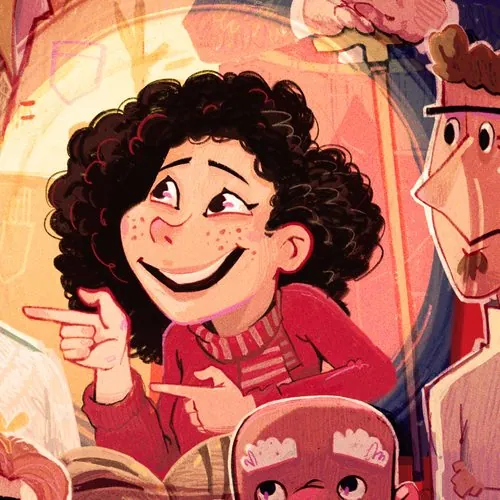
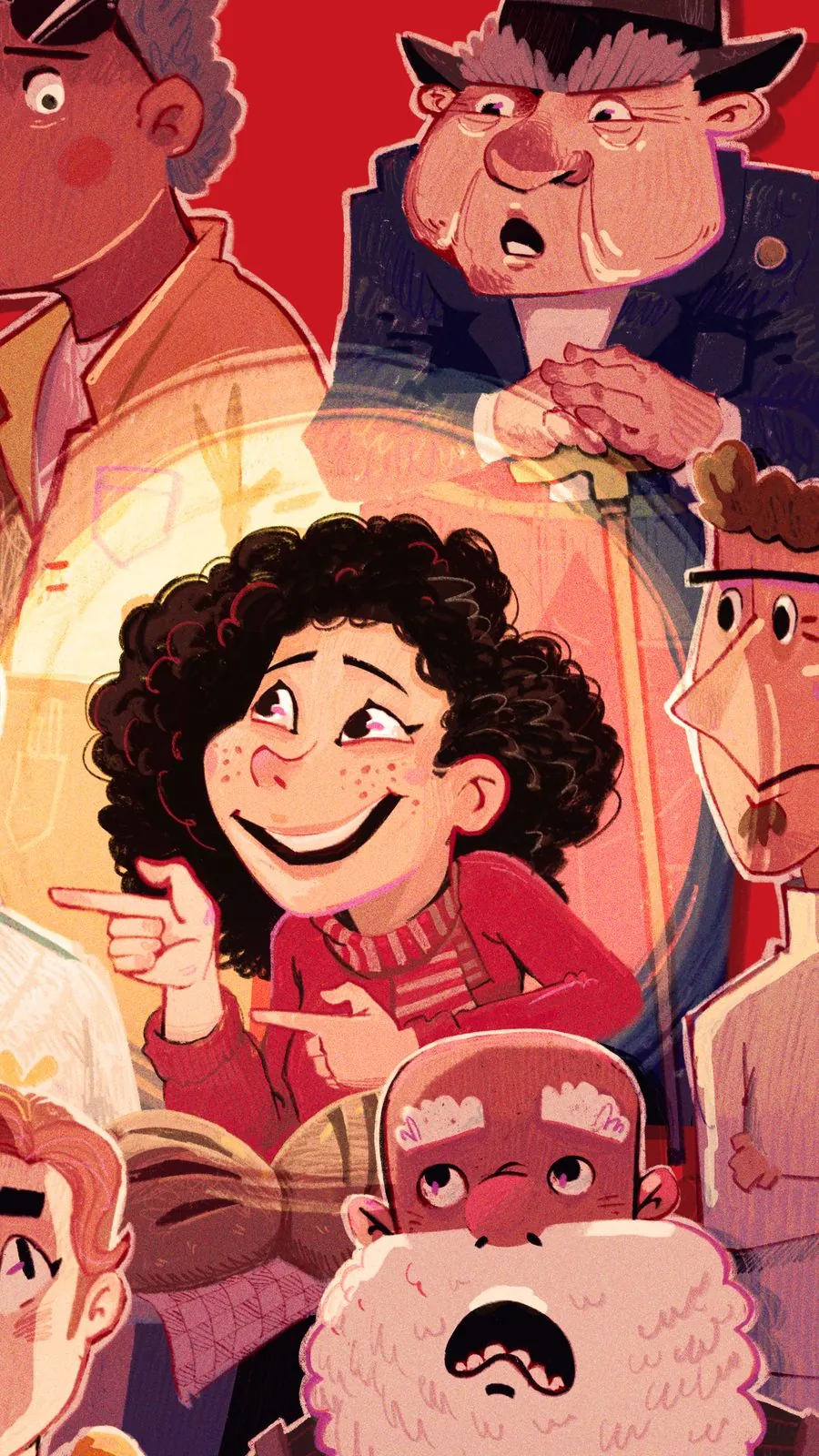
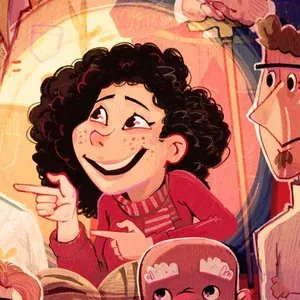 Nat
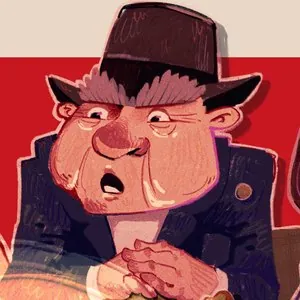 Izzy
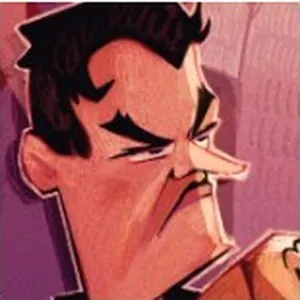 Jeng
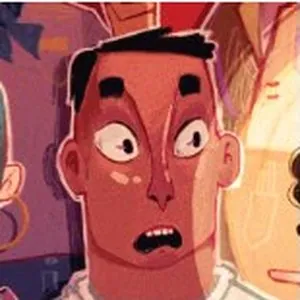 Vin
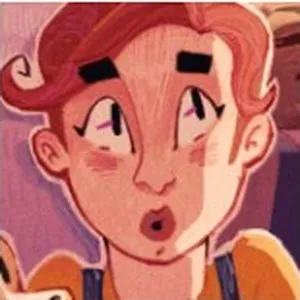 May
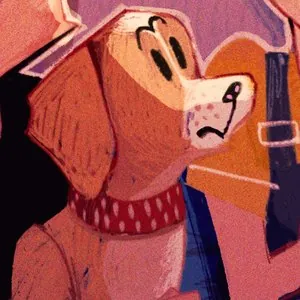 Beagle
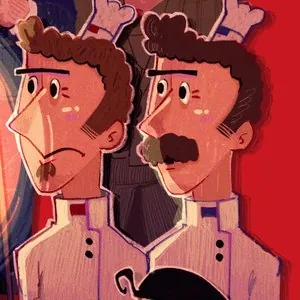 Kann and Bann